
Marketing is working out who you can help, building a service they want, and making it easy to find and choose. For a local business that means real decisions: which jobs you take, which areas you cover, what you charge, how you explain the work. Advertising is one part of it, not the whole thing.
What marketing actually means
The Chartered Institute of Marketing calls it “the management process responsible for identifying, anticipating and satisfying customer requirements profitably”. In short: understand customers, and make money doing it. Read CIM’s explanation of marketing.
So: find out what people need, decide if you can do it well, say it clearly, and charge enough to stay open. Being popular does not help if each job costs more than it pays.
That starts before the advert. A cleaner who specialises in office work has already chosen a customer and a service. The website should say so, not just promise excellent cleaning.
Five decisions behind the message
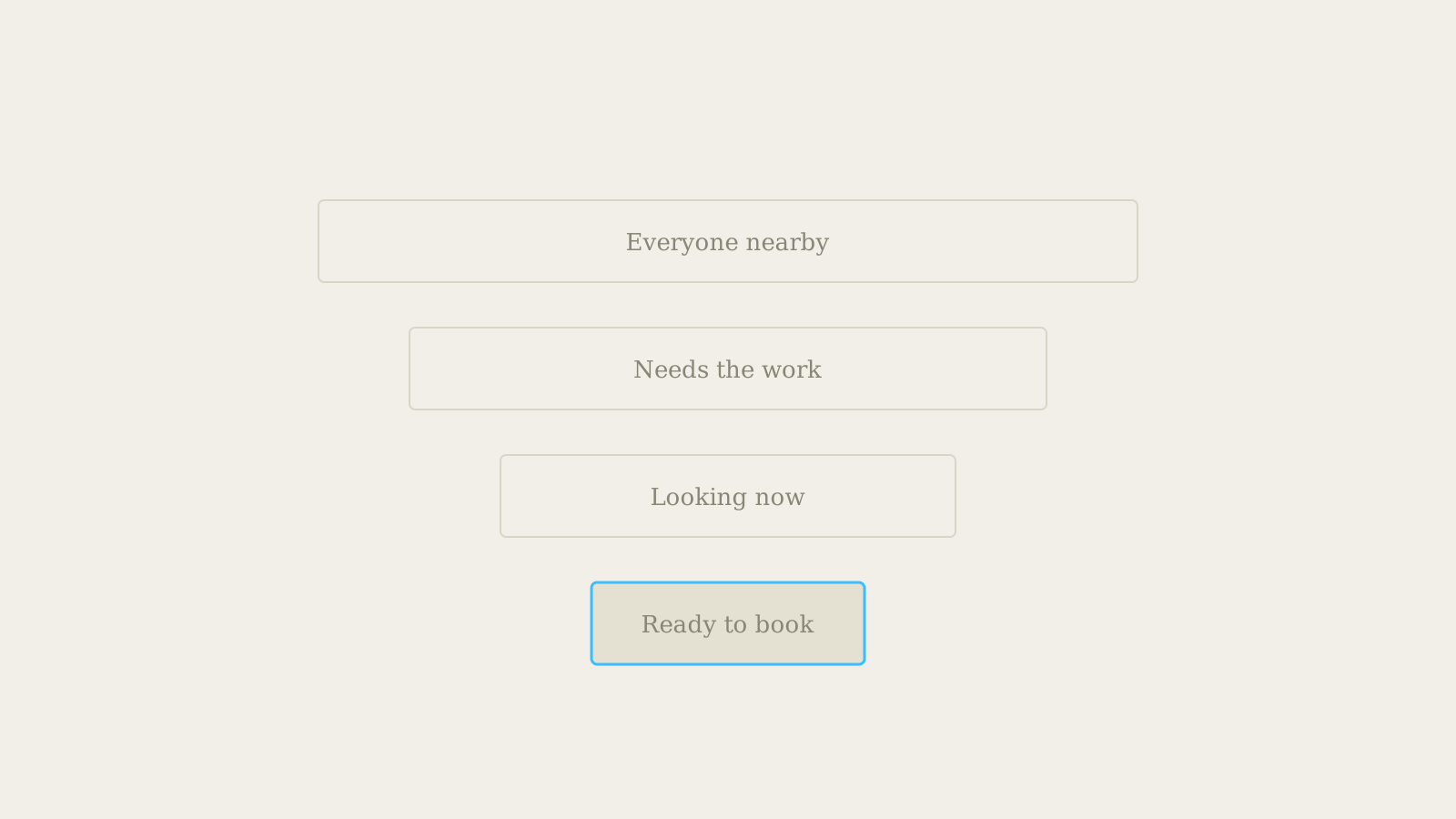
Audience: who you want to serve. “Everyone nearby” tells you nothing about what to say. An office manager and a homeowner moving house worry about different things.
Needs: the problem they want solved. An office manager may need cleaning after hours, easy access and one reliable contact. Ask recent customers why they picked you.
Positioning: why you make sense compared with their other options. Experience with a type of building, a handy location, a clear service. It has to be something you can show.
Offer: what they get, what it costs and the terms. A regular clean, a deep clean and an end-of-tenancy clean are three different offers, even with the same team.
Communication: how people hear about it. Your website, your calls, local adverts, signage, word of mouth. Settle the first four decisions first, so there is something worth saying.
Example: a cleaning business finds its focus
An illustrative business, not a Job Growth Lab case study. A small cleaning firm has spare weekday evenings. The owner rings a few office customers and hears the same thing: the hard part is getting access without disturbing staff.
The firm offers evening cleaning for small offices inside an area it can cover cheaply. It spells out what a visit includes, how keys are handled and how to report a problem. The owner checks staff can work those hours before selling them.
A service page explains all that, with a real photo of the team, used with permission. An advert puts it in front of nearby businesses. Someone reads the page, asks about their office and books a visit so the firm can price the work.
The advert started the conversation. The offer made it relevant. Clear information made the firm easy to judge. How the team behaves on the visit decides the rest. No single step explains the result.
Marketing, advertising, sales and service
Marketing shapes and explains the offer. Advertising pays to put it in front of people. Sales helps one customer decide and agree terms. Service is delivering what you promised, and fixing it when you do not.
In a small business one person does all four. The labels still help you find the fault. Nobody suitable has heard of you? That is visibility. Plenty of enquiries, wrong jobs? A new advert will not fix it. People buy and leave unhappy? Look at delivery.
The customer journey ties them together: find you, judge you, enquire, talk it through, book, attend, give feedback. Real people jump about. Someone gets a recommendation, asks a question, reads reviews, then comes back weeks later.
Learn first, then act
You do not need every channel. A business with steady regulars may need accurate details and a dependable referral habit more than paid ads. Another may need to explain a service nobody has heard of.
Marketing does not create demand either. People may want something else, put the job off, or have no money. Treat your first advert as a way to learn. Write down the questions people ask, and why good enquiries do or do not go ahead.
The services in this library link local visibility to enquiry handling and booking. The starting point is still yours: which customers can you help, and which work can you deliver well?
Questions for your business
- Can you name the customers and the work you want most?
- Can a new customer see what is included and what happens next?
- What proof backs the reasons you give for choosing you?
- Where does your customer journey get confusing?
Pick one fix from the answers. A clearer service description often beats another ad account.